
Advice to Aspiring Leaders: Why Lifelong Learning Defines Effective Leadership
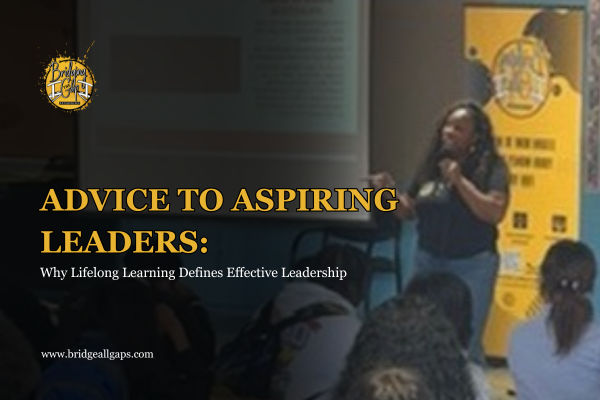
Leadership today demands more than authority or experience. It requires a commitment to continuous learning. In education and community-centered organizations, the challenges leaders face evolve quickly, shaped by changing student needs, workforce dynamics, and societal expectations. Leaders who remain effective over time are those who approach leadership as a learning process rather than a fixed destination.
Lifelong learning strengthens a leader’s ability to make informed decisions. When leaders continue to learn, they are better equipped to evaluate systems, question long-standing practices, and respond thoughtfully to new challenges. This mindset allows leadership to remain grounded in relevance rather than routine.
Effective leaders understand that learning extends beyond formal training. Some of the most valuable insights come from listening to teachers, staff, students, and community partners. These perspectives offer real-time understanding of how policies and programs function in practice. Leaders who value this knowledge create environments where collaboration and trust can grow.
Another critical element of strong leadership is teachability. Leaders who welcome feedback demonstrate accountability and humility. This openness allows organizations to adapt and improve without fear of blame. Teachable leaders set a tone that encourages professional growth across teams, creating a culture where improvement is expected and supported.
Lifelong learning also requires leaders to broaden their knowledge beyond their immediate role. Education leadership intersects with equity, finance, community engagement, and organizational systems. Leaders who intentionally expand their understanding across these areas are better positioned to design programs that serve diverse needs and produce sustainable outcomes.
For aspiring leaders, the path forward is shaped by intentional learning habits. Growth begins with reflection, curiosity, and a willingness to ask difficult questions. Leadership readiness is not defined by titles or tenure, but by the discipline to learn continuously and apply that learning with integrity.
Organizations that invest in learning-centered leadership strengthen their capacity for long-term impact. When leaders remain students of their work, they create systems that are responsive, inclusive, and resilient.
At Bridging The Gap, leadership development is rooted in this principle. Strong leadership is built through learning that centers equity, community insight, and thoughtful action. Aspiring leaders who commit to lifelong learning position themselves to lead with clarity, purpose, and sustained effectiveness.