
The Power of Community Stories in Advancing Equity and Opportunity
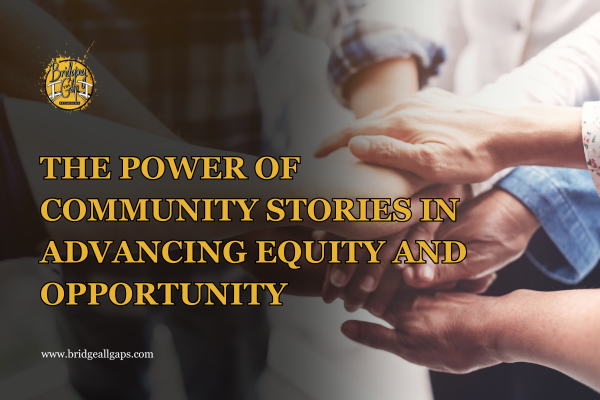
In many districts, organizations, and youth-serving programs, one element consistently shapes long-term progress, yet is often overlooked: the voices of the people being served. Communities hold insight that cannot be replicated by data alone. Their stories carry the lived experiences, cultural context, and unspoken needs that should guide decision-making at every level. When underserved voices are elevated, the result is a more responsive and resilient system. Schools gain deeper understanding of student barriers. Teachers gain clarity on the supports their learners require. Organizations gain perspective that strengthens programs, increases engagement, and builds trust with those they aim to serve.
Why Community Voices Matter
Stories from students, families, educators, and neighborhood leaders provide more than personal reflection. They highlight structural gaps that often remain hidden. They reveal patterns in access, opportunity, and outcomes. They offer insight into cultural strengths, community values, and the types of solutions that will be embraced rather than resisted.
Research in education and youth development continues to show that programs designed with community input outperform those designed in isolation. When lived experiences are treated as expertise, systems become more culturally responsive and more effective.
Strengthening Programs Through Shared Narratives
Amplifying underserved voices is not an add-on to the work. It is foundational to creating equitable learning environments. Community stories:
• Inform program design and ensure relevance
• Surface unmet needs before they become persistent barriers
• Strengthen communication between leaders, teachers, and families
• Build psychological safety among youth
• Encourage co-creation rather than top-down decision making
This approach helps schools and organizations shift from general assumptions to targeted strategies that respect identity, culture, and context.
Creating Space for Voices to Be Heard
For many communities, the challenge is not the lack of valuable stories. It is the lack of intentional spaces where those stories can shape policy, instruction, and systems. When leaders prioritize listening sessions, student forums, culturally responsive training, and meaningful stakeholder engagement, the result is a more aligned and supportive environment. Amplifying underserved voices should not be viewed as a symbolic gesture. It is a strategic practice that strengthens equity, informs instructional planning, and builds pathways for meaningful change.
As districts and organizations prepare for a new year, there is an opportunity to recommit to practices that honor the experiences of the communities they serve. Stories are not only reflections of the past. They are guides for the future. When those stories become part of planning and programming, new possibilities open for students, families, and entire communities.
Equity grows stronger when every voice transitions from unheard to understood. When that shift occurs, schools and organizations move closer to fulfilling their mission—to create environments where growth, access, and opportunity are not limited by circumstance, but supported through shared understanding.