
Mentoring Future Leaders: Strengthening Pathways for Underserved Youth
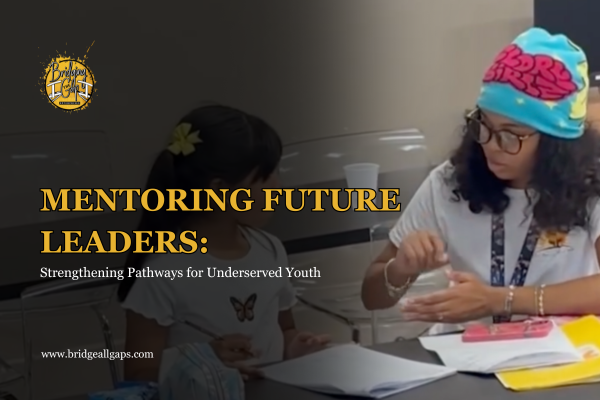
Across the country, students in underserved communities are navigating academic demands while balancing social pressures, limited resources, and systemic challenges that can hinder their path to success. For many of these young people, mentorship becomes a powerful force that shapes their development and opens doors to opportunities that may otherwise remain out of reach.
Mentorship is more than advice or occasional guidance. It is a sustained relationship that offers encouragement, structure, and access. Research consistently shows that students with a mentor are more likely to graduate, pursue higher education, and build confidence in their leadership abilities. For youth who face barriers tied to socioeconomic conditions, cultural disconnects, or lack of exposure, the presence of a supportive adult can be life-changing.
Effective mentorship helps young people gain clarity about their strengths and aspirations. It teaches them how to navigate challenges, make informed decisions, and develop the mindset required to lead. When mentors understand the cultural identities and lived experiences of the youth they support, the impact grows even stronger. Culturally responsive mentorship acknowledges the realities of the students’ environment while reinforcing pride, identity, and resilience.
In school settings, mentorship strengthens the connection between adults and students. Educators, counselors, administrators, and community partners each play a role in shaping leadership behaviors early. When mentoring frameworks are intentionally integrated into school culture, students gain consistent modeling of communication, confidence, professionalism, and problem-solving. These are the building blocks of leadership that many underserved youth may not otherwise have access to.
Organizations like Bridging The Gap recognize that mentorship is a strategic investment in the future workforce and in stronger communities. Through collaborative partnerships with districts and youth-serving organizations, program development is centered on elevating student voice, expanding access, and removing barriers. Programs that uplift leadership skills, cultural identity, and academic growth create a foundation for students to step into new roles with purpose.
As schools continue to address disparities in achievement and engagement, mentorship stands out as a practical and effective approach for long-term impact. When students are supported by adults who believe in their potential, they begin to see themselves as capable, valued, and prepared for the future. That shift influences not only the student, but the community they will one day lead.
Strengthening mentorship opportunities is essential for cultivating the next generation of leaders in underserved communities. By investing in guidance, access, and culturally responsive support, schools and organizations help young people realize that their voice matters and their future holds possibility. Leadership does not begin in adulthood. It begins with the right support during youth.